The important role of first aid in everyday life
ZD.K Medic First Aid Training and Firefighting Equipment
It happened on a perfectly normal Thursday, early evening, between running errands and making dinner. The upstairs neighbor knocked on the door in a panic, her face pale, and she could barely get the words out. Her child slipped on the stairs and hit his face, blood was streaming from his nose, and he was crying nonstop. When we got to him, he was sitting on the floor, a little dizzy, his hands shaking, and the mother looked at me as if I should know immediately what to do. For a moment, I froze too, not because I didn't care, but because in emergency situations the mind tries to fill in gaps in knowledge in seconds. Then I remembered something basic: stop, assess, calm down, act in order. We sat him down with his head slightly forward, gently pressed the soft part of his nose, checked for other signs, spoke calmly to direct him to breathe. The bleeding subsided, the crying turned into deep breaths, and the mother looked as if someone had put air back into her lungs.
Then, when everything calmed down, I realized how easy it was for this incident to get worse. If we had laid him on his back, blood could have rushed to his throat and made it difficult to breathe. If we had gotten confused and forced him away, there was a chance of further injury. If we had panicked, the child would have panicked too, and the body’s natural response would have worsened. I also realized something else, most people are not “uncaring,” they are simply insecure. In the moment of truth, insecurity steals time. And first aid, more than anything else, is the ability to buy time, reduce damage, and bring the body and the environment to a stable state until medical care arrives or until the danger passes.
The thought of first aid is often associated with car accidents or dramatic events. In fact, the important role of first aid in everyday life is revealed precisely in the small moments, at home, at work, at school, on a trip with the family, in the kitchen, at the gym, and even while standing in line at the supermarket. We live in a world where sudden medical events are part of the daily statistics, fainting, allergic reactions, choking on food, cuts, burns, worsening asthma, chest pain, falls. The question is not if it will happen to us, but when, and whether we will manage to take the most correct action within the first few minutes.
First aid is not “just knowledge,” it is a language of action . This language consists of a clear sequence of actions, identifying hazards, maintaining safety, assessing the situation, and using simple tools that are at hand. It is also a language of communication, how to talk to an injured person, how to calm children, how to divide roles between people, how to provide accurate details to the MDA or emergency services. When this language is embedded, the result is less fear, fewer mistakes, and a natural connection between the desire to help and the real ability to help.
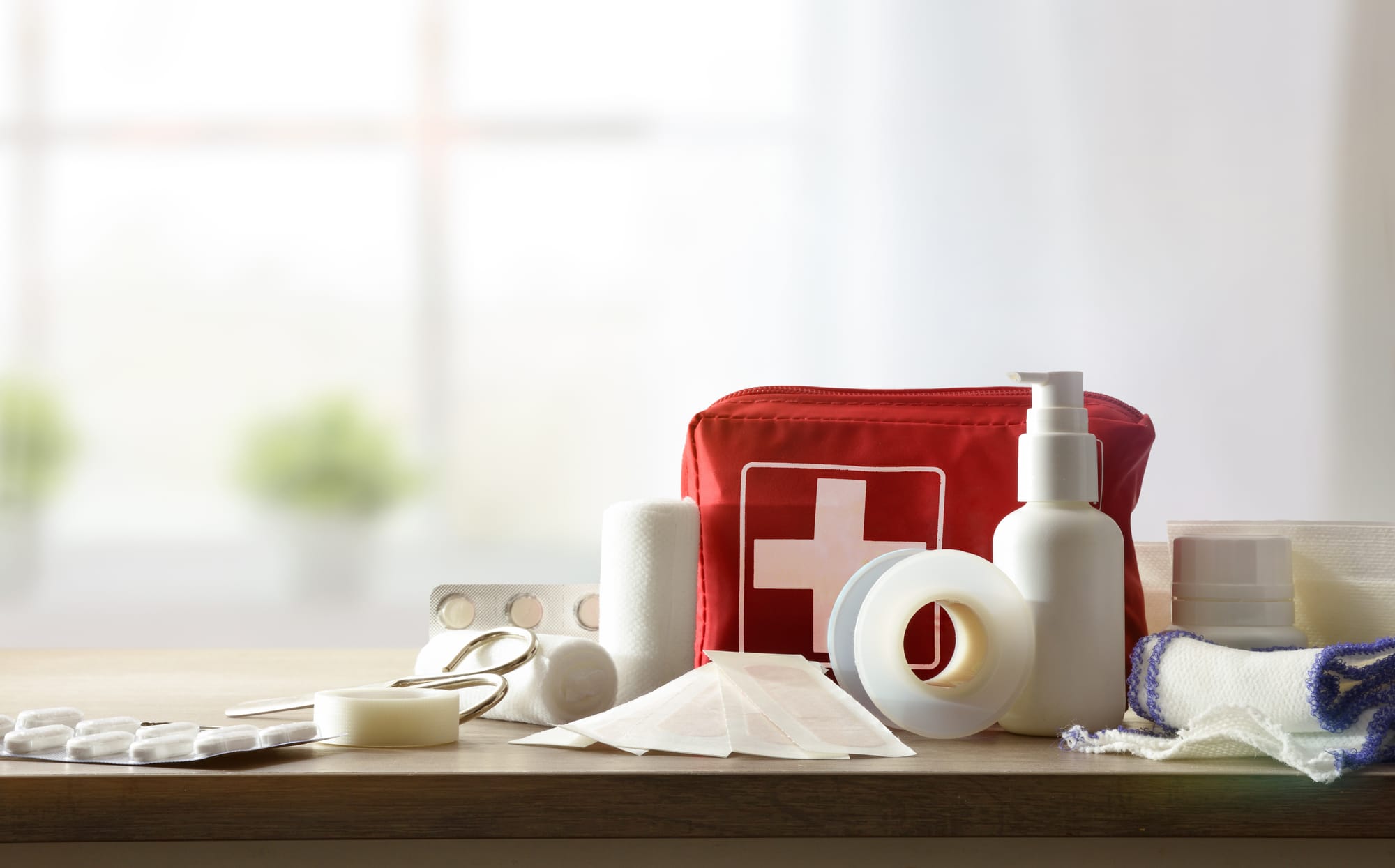
In everyday life, first aid meets us at two levels. The first level is prevention and preparation . Paying attention to dangers in the home, arranging medications safely, using outlet protectors, keeping hazardous materials out of reach of children, having a proper first aid kit, knowing where a fire extinguisher or blanket is, and knowing the emergency numbers. The second level is response , as soon as an incident occurs. This response must be quick, but also considered. What wins here is practice, familiarity with principles, and the ability to perform basic actions accurately.